Skip to content
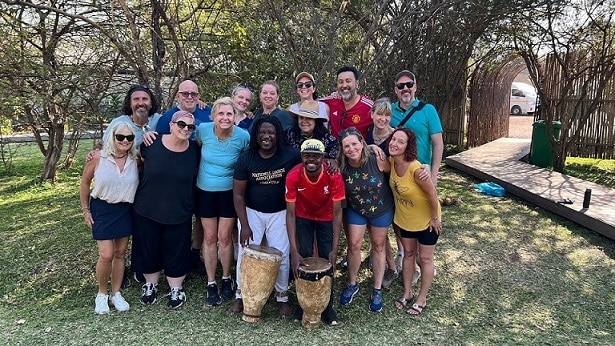
I recently returned from a trip of a lifetime to South Africa that was magical in ways I did not fully anticipate. The landscapes were stunning, the cities vibrant, and the wildlife remarkable. My trip was fully curated by someone I love, trust and have known for years. I travelled with members of my Riverdale Players cast who I’ve had so many laughs with for the past decade.
But what made this trip extra special for me was I got to be the passenger, and not have to worry about being the organizer of anything. I got to purely receive and relax. For the first time in a long while, I got to simply receive.

At first, being a passenger on this delightful trip and not the organizer felt uncomfortable, and certainly unfamiliar. I’m so accustomed to designing and supporting someone else’s experience that letting go felt almost unnatural. But slowly, something shifted. I began to relax. I allowed myself to be cared for, guided, and surprised. And I remember how rejuvenating it is to receive. To step out of the constant action and responsibility, even for a short time, is a deeply renewing practice.
This experience reminded me how rare it is for leaders to practice receiving. Leaders spend so much time giving—guiding teams, solving problems, and making decisions—that they often forget how powerful it can be to accept support, pause, and take in what is offered. Receiving replenishes energy, strengthens relationships, and models a different way of showing up for our teams.
Being able to receive also demonstrates something essential for teams. It communicates that it’s okay to ask for help, to rely on others, and to trust in collaboration. In environments where everyone is stretched thin, leaders who allow themselves to be supported foster cultures where people feel safe to step in, take risks, and contribute fully.

The lesson from this trip is clear: taking time to receive is not indulgent. It’s strategic. It’s essential for resilience and effectiveness. Leaders who practice receiving more readily cultivate adaptability, clarity, and energy—the same qualities their teams need to navigate complexity and change.
Here are three practical ways busy leaders can bring the practice of receiving into their daily work and life:
1. Delegate with intention
Identify a project, meeting, or decision you usually manage yourself and give someone else the lead. Provide clear guidance but resist the urge to step in or micromanage. Observe how your team responds and notice the insights and energy you gain by letting others take ownership.
2. Accept support fully
When a colleague, direct report, or family member offers help, say yes with no qualifications. This could be anything from asking for input on a strategic decision, agreeing to a shared household task, or leaning on your support network for a tough challenge. Truly embracing help reinforces collaboration and gives others a chance to contribute and shine.

3. Create purposeful pause
Even five minutes to acknowledge what you’ve accomplished or to take in guidance from others can refresh your perspective. It reinforces a mindset that your value as a leader comes from presence and clarity, not just constant action.
For busy leaders balancing high demands at work and responsibilities at home, practicing the art of receiving is restorative and strategic. It allows leaders to contribute more effectively, make better decisions, and approach challenges with renewed clarity. Receiving is not about doing less; it is about showing up more powerfully for the people and work that matter most.
If you’d like support with leadership within your organization or team, let’s connect to explore whether the Adaptive Advantage (™) program or Level Up Leadership executive coaching program can help!”